- Whitepaper
- Data Management
Strategic Framework for Enterprise Data Management | Free Whitepaper
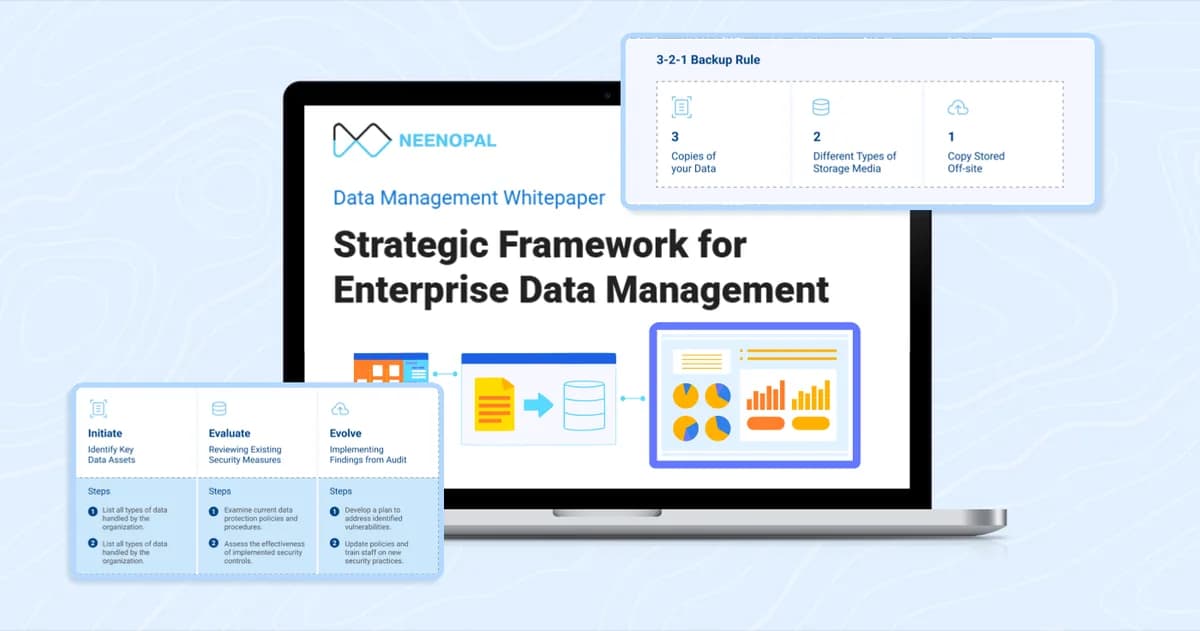
An enterprise data management framework stores and manages data strategically for actionable decision‑making. As a data management strategy, it eliminates duplication, removes data silos and ensures regulatory compliance, improving operational efficiency. This whitepaper sets out data lifecycle management framework best practices, proven methodologies and actionable steps for business leaders, IT teams and data professionals.
The data management lifecycle

Data Acquisition and Collection
This data management lifecycle stage sources data from internal and external systems and direct customer interactions. Data is classified and validated at entry to avoid duplication or errors, and stored in a standardized format for quality and transparency.
Data Storage and Protection
Collected data is stored reliably, in solutions like Google Cloud Storage or on‑premise options. Modern storage combines repositories, encryption, backups and granular access controls to keep sensitive business information secure and available.

Data Usage, Processing, and Analytics
Raw data becomes a meaningful asset. ETL frameworks sort, cleanse and transform unstructured data, and augmented analytics increasingly combines traditional BI with AI to automate discovery and recommendations.

Data Sharing and Collaboration
Modern data management balances accessibility with privacy and regulatory compliance. Secure, cloud‑native collaboration platforms and clear governance keep teams on consistent data without creating new risks.
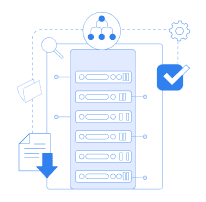
Data Retention and Archival
Retention and archival are pillars of a robust data quality management framework. Deleting redundant or outdated data optimizes storage, ensures compliance, strengthens governance and avoids financial repercussions.

Data Monitoring and Quality Assurance
Continuous monitoring keeps data quality high within the data management and governance framework. Audit trails show changes and usage, anomaly detection catches errors early, and data mesh ownership blends flexibility with accountability.
Key Sections of the Enterprise Data Management Whitepaper
Enterprises need a unified, future‑proof data management framework that keeps data scalable and auditable. This whitepaper is a structured blueprint for data quality, governance policies and lifecycle practices in one model, from data policies and AI‑driven validation to federated governance with data mesh principles. It covers:
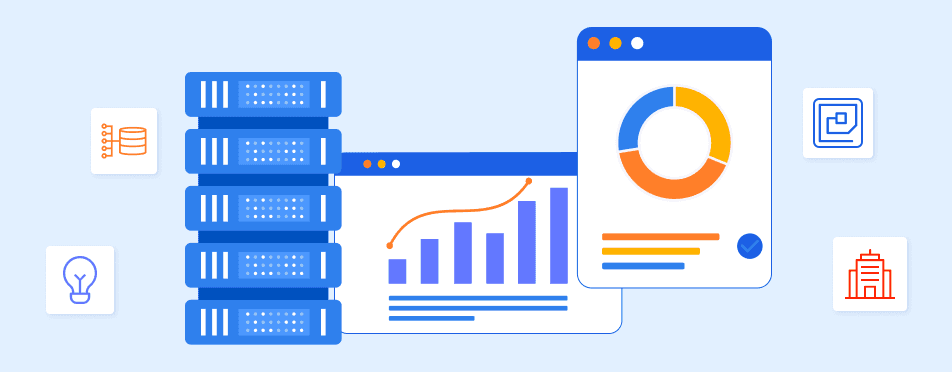
Methodology & Implementation Roadmap Key Components
- Clear Roles & Governance: Define roles (owners, stewards, committees) with structured frameworks.
- Robust Data Management: Standardize metadata, lifecycle policies, and master data practices.
- Versioning & Quality Control: Implement version control, logging, and automated data quality checks.
- Training & Adaptability: Build role-based training and ensure continuous monitoring for improvement.
- Risk & Compliance Safeguards: Mitigate risks with strong security measures and resilience protocols.
Risk Mitigation Strategy
- Structured data security approach for risk identification, mitigation, monitoring, and review.
- Mitigation of Enterprise Data Architecture and Implementation Risks related to structure & complexity.
- Managing data governance risks to ensure data is managed reliably, accurately, and securely.
- Establishing a continuous data scanning process that mitigates inaccuracies and inconsistencies.
Recommendations
- To safeguard sensitive data and comply with industry standards and regulations.
- Design your Enterprise Data Architecture aligned with organizational goals.
- Establish data governance policies to ensure data accessibility aligned with regulatory standards.
- Maintain data quality by developing plans for continuity and usability with monitoring.
Who Will Benefit from This Whitepaper?
 Chief Data Officers (CDOs)
 Data Governance Teams
 Data Architects & Engineers
 Analytics & BI Professionals
 Risk & Compliance Officers
Conclusion
Data management frameworks balance privacy with platformization. With the right data management practice, you can securely manage large volumes of accurate data that stays consistent with business goals across the whole data lifecycle, and a deep understanding of top‑tier data management platforms positions that data to support innovation.
Our clients















Grab Data Management Guide Today!
Fill in your details to get instant access to our Strategic Data Management Whitepaper.
More free resources
Playbooks, whitepapers and checklists from our BI and data teams.